
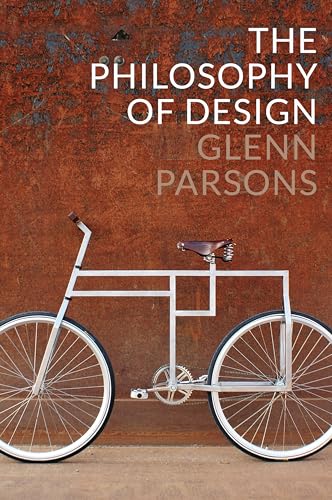
The Philosophy of Design
Material type: TextLanguage: English Publisher: : Polity Press, 2016Edition: 1a. ed reimpDescription: 192 páginas; ImpresoContent type:
 - texto
- no mediado
- volumen
- 978-0-7456-6388-3
- 701 P2671
| Item type | Current library | Shelving location | Call number | Status | Barcode | |
|---|---|---|---|---|---|---|
| Libro | Biblioteca Hernán Malo González | Biblioteca Central Bloque A | 701 P2671 BG18484 (Browse shelf(Opens below)) | Available | BG18484 |
Introduction. The Design Process. Modernism. Expression.The concept of Function. Function, Form and Aesthetics. Ethics. Epilogue. Notes. Suggestions for Further Reading. References. Index.
The first part of the book explores central issues about the nature of design and its products, and the rationality of design methods. A central theme is that Modernist ideas, such as those offered by Loos and Gropius, provide important responses to these philosophical issues. In the second part of the book, these Modernist ideas serve as touchstones in the exploration of key issues for design, including: the place of aesthetics in design; designs relation to personal expression; the meaning of function; and designs relation to consumerism. The social responsibility of designers, and the impact of design practice on ethical reasoning are also discussed.
There are no comments on this title.